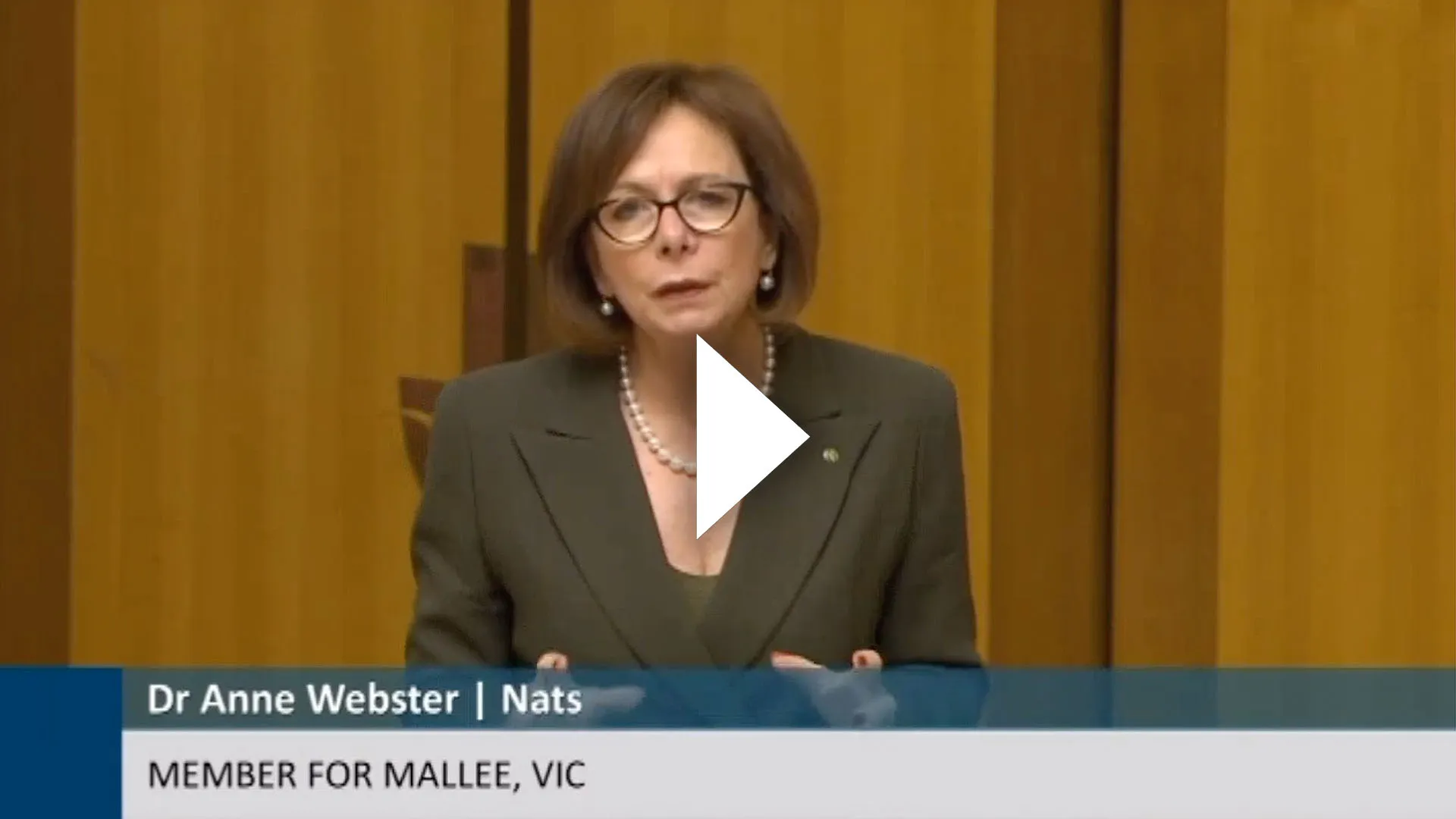

Older Australians Are Paying the Price for Labor’s Bad Decisions - Media Release
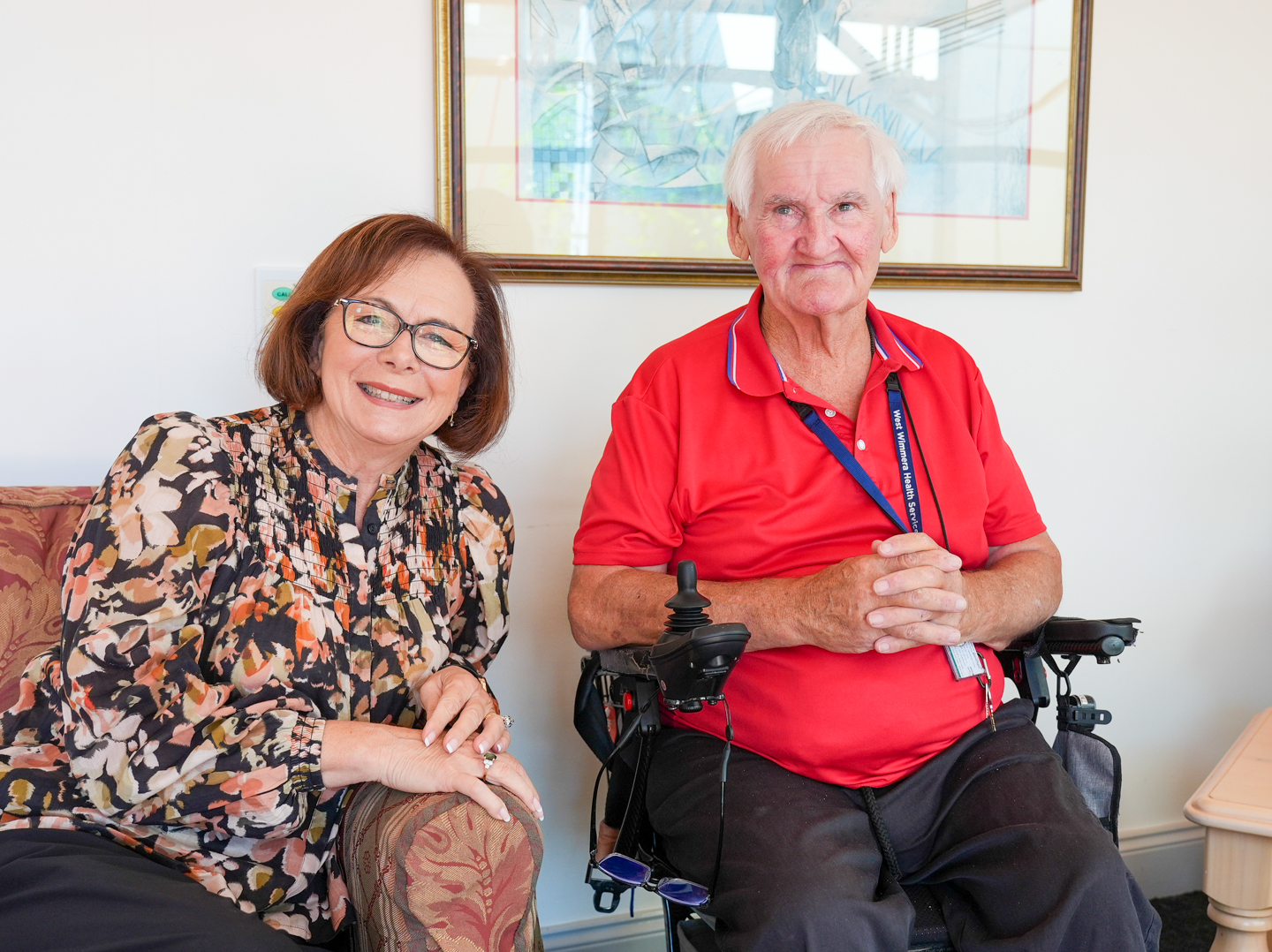
Older Australians are being hit from all sides — and in regional Australia, they’ll feel it first and worst.
“In regional communities, when Canberra gets it wrong, we feel it immediately — in our hospitals, in our aged care homes, and in our cost of living,” said Dr Anne Webster, Shadow Minister for Regional Health.
In the space of months, the Albanese Government has made two decisions that will drive up costs for seniors — while exposing a deeper problem: Labor simply cannot manage money.
First, we’ve seen GST quietly creep into aged care.
Through a ministerial determination — with no public consultation — the Government has extended GST to some everyday living services in residential aged care.
“These aren’t luxuries — they’re the basics that give older Australians dignity in their later years,” Dr Webster said.
For more than 100,000 aged care residents, this means one thing — higher bills.
“At a time when older Australians are already on fixed incomes, Labor has chosen to make life more expensive,” Dr Webster said.
What makes this even more concerning is the contradiction at the heart of it.
Treasurer Jim Chalmers made clear — including in discussions with the IMF — that Labor would not broaden or add to the GST base.
“But that’s exactly what’s happening here,” Dr Webster said.
“You can’t tell the international community one thing and quietly do another at home — older Australians are the ones paying for that contradiction.”
Then there’s private health.
Health Minister Mark Butler is scrapping the higher private health insurance rebates for over-65s — a decision that will directly increase costs for older Australians.
“This is a deliberate decision to make private health more expensive for seniors,” Dr Webster said.
Mr Butler has claimed the higher rebate “doesn’t make sense”.
“But the Government’s own advice shows the exact opposite,” Dr Webster said.
The Coalition Morrison government commissioned Finity report which found the higher rebate for older Australians was delivering value and warned that removing it risks pushing more seniors out of private cover and into the public system.
“This is a government ignoring its own evidence — and older Australians will pay the price,” Dr Webster said.
The consequences are clear. Premiums go up. Older Australians pay hundreds more each year. Some drop their cover altogether.
“You don’t need a report to know what happens next — people drop cover and turn up at already stretched public hospitals,” Dr Webster said.
And in regional Australia, that pressure lands hardest.
“In the regions, we don’t have backup options. When the system is stretched, people wait longer and travel further — that’s the reality,” Dr Webster said.
This is the real cost of bad policy. And it doesn’t stop there. Labor’s inability to manage money is now playing out across the system — nowhere more clearly than in the NDIS.
After years of poor oversight and runaway spending, the scheme has ballooned to the point where 760,000 Australians are now worried about losing their support.
“That’s not reform — that’s chaos,” Dr Webster said.
“Labor failed to manage the growth, and now vulnerable Australians are being left in limbo, unsure if the support they rely on will still be there.”
It’s the same pattern we’re seeing again and again. Spend without control. Ignore the warnings. Then scramble to claw money back — hitting the very people who can least afford it.
“You can’t keep asking older Australians to pay more because Labor can’t manage the books,” Dr Webster said.
Older Australians deserve better than this.
“They’ve worked hard, paid their taxes, and built this country. They deserve certainty — not constant change and higher costs,” Dr Webster said.
As Shadow Minister for Regional Health, Dr Webster said she would continue to stand up for regional communities and call out decisions that make life harder for older Australians.
“Good policy should make life easier, not harder. Right now, older Australians are paying the price for Labor’s bad decisions,” she said.