
Mallee to save 27c per litre at the bowser when oil soars – Coalition’s Fuel Price Shield - Media Release
Monday 21 September 2026
The Coalition will introduce the Fuel Price Shield, an automatic safeguard designed to reduce the impact of major global oil price shocks on Australian families and businesses meaning they will pay less at the pump.
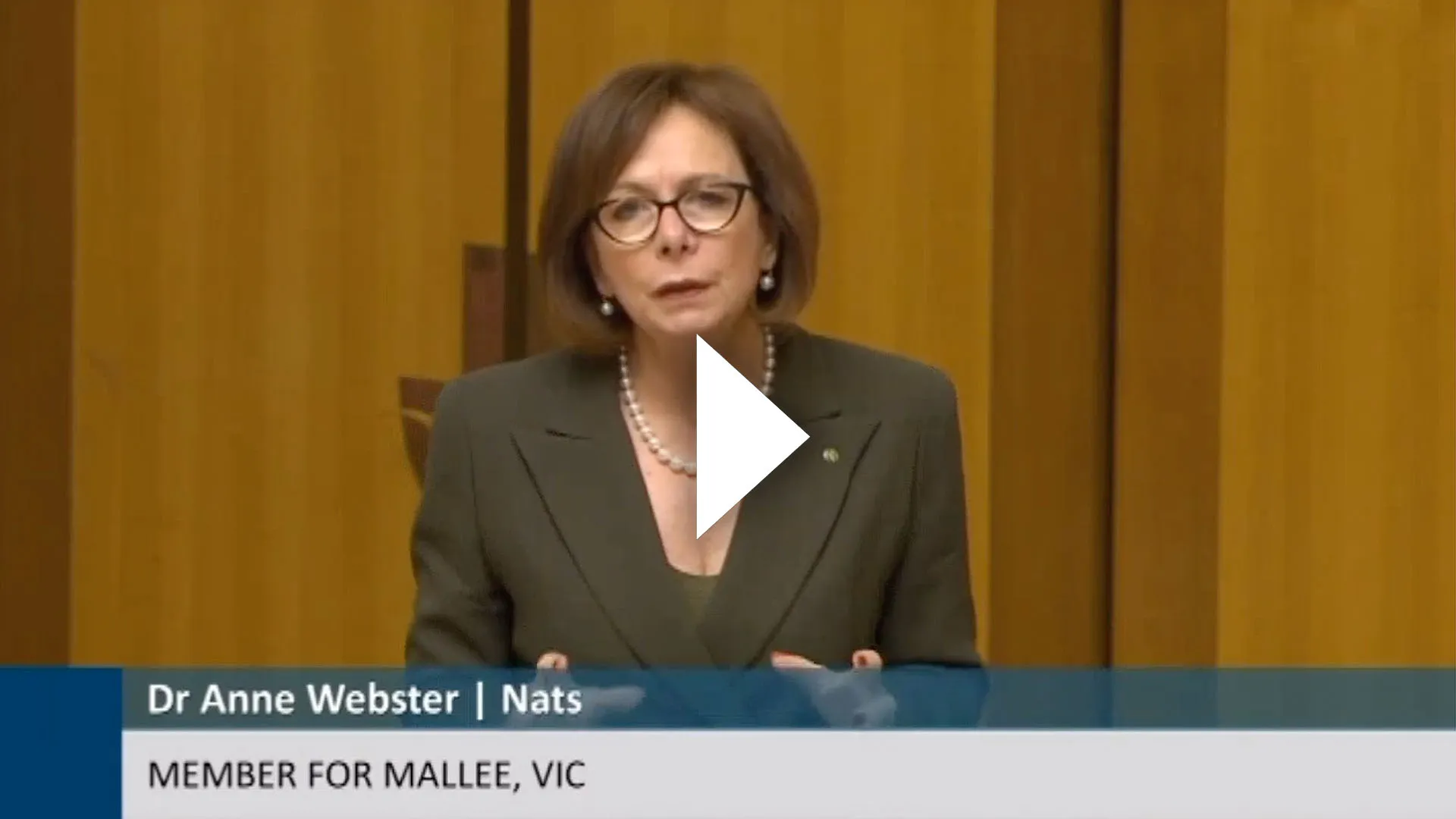
Member for Mallee Dr Anne Webster MP said Fuel Price Shield will automatically halve fuel excise when the two-week average closing price of Brent crude is above US$100 a barrel. When triggered, the measure is estimated to reduce the tax on fuel by around 27 cents a litre, equivalent to around $15 on a typical tank of fuel. Additionally, the 32-cent-a-litre heavy vehicle road user charge would be set to zero, giving truckies significant direct relief and households and businesses additional indirect relief by lowering prices.
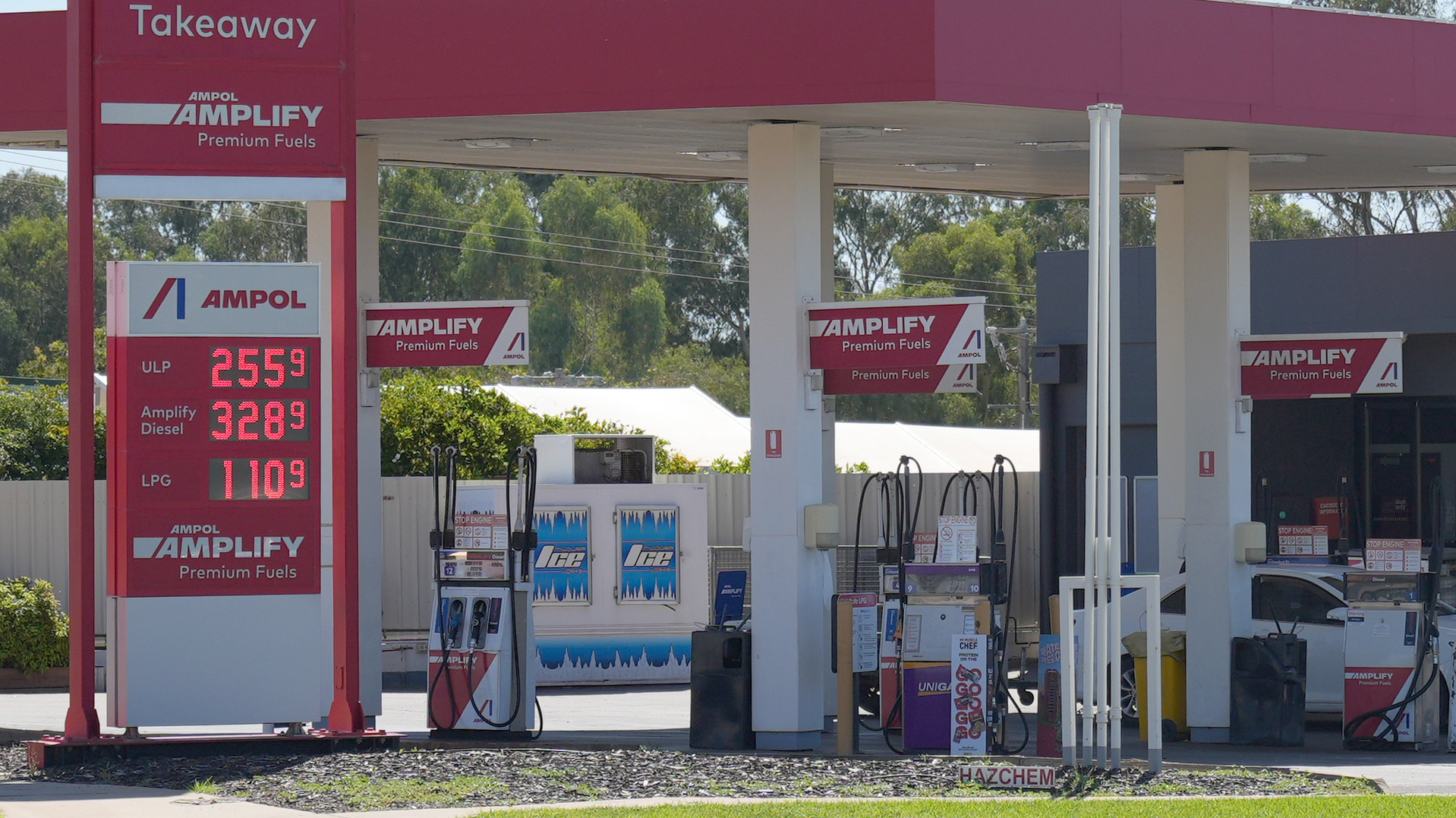
Dr Webster said sharp rises in global oil prices flow quickly through to household and business costs in Mallee.
“Mallee families, farmers and businesses need fuel to get to work, bring in the crops, take the kids to school and keep their businesses running,” Dr Webster said.
“When global events send oil prices through the roof, Mallee families should know there is a clear automatic safeguard in place to provide temporary and targeted relief.
“The Fuel Price Shield would provide certainty. When a serious oil shock hits, the tax comes down automatically. When oil prices return to more normal levels, the ordinary rate is restored.
“For a family filling a typical tank, the Fuel Price Shield would mean around $15 staying in their pocket instead of going in tax.”
“Mallee residents cannot just decide to stop driving. We often travel long distances for work, school, medical appointments and the weekly shop.
“Higher fuel prices also flow through the entire economy. They increase the cost of moving food, freight and supplies around our country.
“The Fuel Price Shield is designed to provide temporary relief when international oil markets experience an exceptional shock, while ensuring the ordinary arrangements return once that shock has passed.”
For reference, the Brent crude oil price hit $100USD a barrel around 8 September and has since produced an average over $100USD, meaning price relief would have started from Monday 21 September.
How Fuel Price Shield will work
The Fuel Price Shield would automatically halve the fuel excise and zero out the heavy vehicle road user charge when the two-week average closing settlement price of Brent crude rises above US$100.
All changes would apply from the Monday after the trigger date.
The Fuel Price Shield would initially operate until the earlier of:
● the eight-week average Brent crude price falling below US$100 a barrel; or
● three months passing since the Fuel Price Shield was triggered.
At that point, the temporary excise reduction would end unless the government, following a review of global oil prices and market conditions, decided to extend it.
The policy would also temporarily reduce the heavy vehicle road user charge to zero, giving our truckies an even bigger benefit than the excise reduction.
The rate of heavy vehicle road user charge will be reduced from 32.4 cents per litre to zero cents per litre, meaning truck and bus operators will be able to claim the full 26.85 cents per litre value of the fuel excise back as a Fuel Tax Credit, which can then be used to offset their GST obligations when lodging their Business Activity Statements.
Coalition analysis indicates the Fuel Price Shield would have been triggered only twice in the past five years, during the major global oil price shocks of early 2022 and March 2026.
During those two periods, the Fuel Price Shield would have operated for approximately 6 months and 3 months, respectively.
The policy is estimated to cost around $950 million for each month it is activated.
The current Budget assumes oil prices return to around US$80 a barrel by mid-2027.
The Coalition has already announced a plan to more than double minimum stockholding requirements to 60 days for critical fuels and establish an $800 million Australian Fuel Security Facility to support more than one billion litres of new fuel storage capacity, with a focus on diesel.
The Coalition will also:
1. establish a daily public fuel dashboard so Australians can see fuel supply levels in real time,
2. support investment in new and prospective refining capacity through the Fuel Security Services Payment, and
3. remove barriers to increasing Australian fuel supply.
Together, these measures are designed to deal with both sides of the problem: The Fuel Price Shield provides temporary relief when global oil prices spike, while the Coalition’s fuel security plan increases the amount of fuel and storage available in Australia and strengthens the resilience of domestic supply chains.
The Fuel Price Shield and stronger fuel security are part of our plan to fix our economy and protect our way of life.
Labor’s changes on Thursday to the working holiday maker system will destroy regional communities and create enormous panic across farming communities, Member for Mallee Dr Anne Webster said today.
As broadacre farmers hit the panic button on delayed workers for imminent hay and canola harvests, Dr Webster said she is extremely concerned Minister Burke declared on Thursday that the vital working holiday maker program (417 visa) will soon be further restricted through a ballot system.
Minister Burke told the National Press Club that in the last reporting year 57,000 people were on second-year 417 visas, and 31,000 on third-year visas. The Minister announced he was bringing in a new ballot system for the second-year, capped at 45,000, and capped at just 5,000 in the third year.
“Labor also clearly have no clue that broadacre farmers and harvesting contractors regularly bring back the same experienced people from countries such as the United Kingdom, Ireland and Canada and because they know the machinery, understand the work and can be trusted during the most important weeks of the farming year. You can’t put inexperienced operators in that equipment. A ballot flies in the face of bringing that skilled labour back year after year.”
“The harvest workforce in broadacre and horticulture farming is made up to 50 per cent working holiday makers. Now under Labor, one in four visa applicants will miss out on their second-year applications, and a staggering five in six will miss out in year three. This is a horrendous outcome and much worse than anything we could have expected.” Dr Webster said.
“Labor has allowed net overseas migration (NOM) to run out of control, and while they pull the rug out on the imminent hay, canola, wheat and barley harvests, Labor are now also pulling the handbrake on producing Australia’s food and fibre in future.”
“Farmers and harvest contractors tell me workers they expected to arrive have not arrived, due to unexplained processing delays. Despite the Department advertising that most applications would be resolved within a week, some have been waiting months. Crops need to be harvested, cows need to be milked, and Labor’s utter regional illiteracy means the workload is being pushed onto fewer people, creating serious farm and harvest safety issues.”
“The government is yet again targeting regional Australia to cover for Labor’s policy failures, in this instance, their uncontrolled migration disaster.”