
GP training announcement doesn’t fix regional doctor workforce pipeline - Joint Media Release with Senator Anne Ruston

JOINT MEDIA RELEASE
Senator Anne Ruston
Shadow Minister for Health and Aged Care
Senator for South Australia
Dr Anne Webster MP
Shadow Minister for Regional Health
Shadow Minister for Regional Communications
Federal Member for Mallee
15 April 2026
GP training announcement doesn’t fix regional doctor workforce pipeline
Wednesday 15 April 2026
Today’s GP training reannouncement from the Albanese Labor Government does not fix the underlying issues impacting the serious health workforce crisis in regional Australia that Labor has made worse.
Shadow Minister for Health Senator Anne Ruston said that the Coalition welcomed additional GP training places, particularly for rural and regional Australia, but called out Labor for having to be dragged kicking and screaming into taking the regional health workforce crisis seriously.
“Additional training places are one thing, but regional Australia needs a comprehensive workforce strategy that actually ensures we can train, attract and retain doctors in regional, rural and remote areas,” Senator Ruston said.
“We have been calling for this comprehensive workforce strategy for years now, but instead of listening, Labor is just reannouncing existing initiatives and making the situation worse by dismantling existing programs to encourage doctors to train and stay in the regions such as the Bonded Medical Program and the Distribution Priority Areas.
“It is only the Coalition who is truly focused on ensuring Australians’ access to healthcare is not determined by their postcode.”
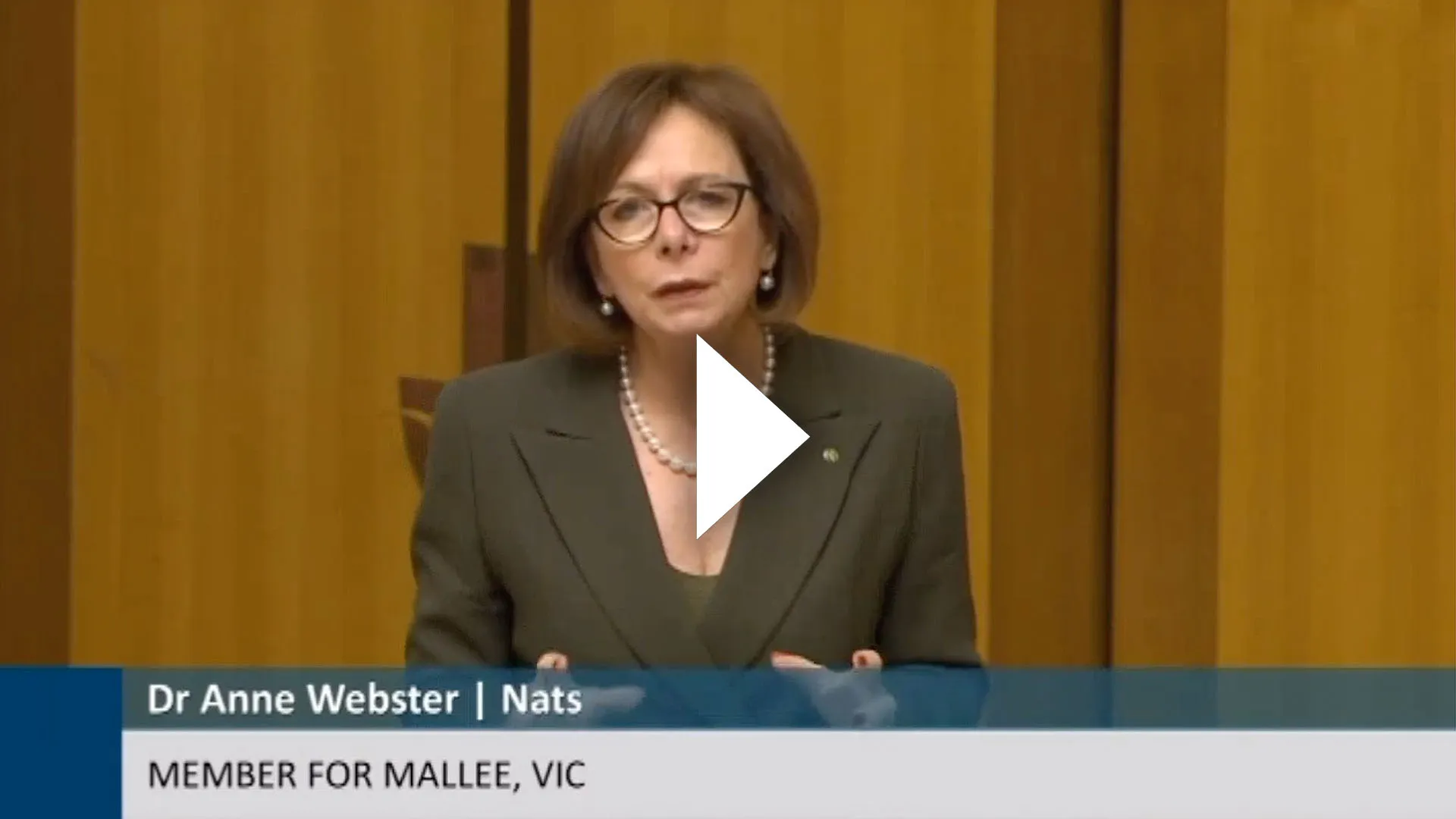
Shadow Minister for Regional Health Dr Anne Webster MP said that the structure of the Australian General Practice Training (AGPT) program and the Albanese Government’s approach to workforce initiatives must better recognise the serious needs of rural and regional Australia.
“Minister Butler sprinkled ‘rural’ and ‘record’ in his comments today, but his record in fixing dire doctor workforce shortages in rural Australia is abysmal.
“We need transparency from this secretive Albanese Labor Government on genuine outcomes, because the proof has to be in the pudding – are graduates remaining in rural, regional and remote Australia, or are they going elsewhere?”
Dr Webster said that the local, regional cost of losing a doctor is immense, with recent research showing doctors are staying on average only 2 years in remote areas and the cost of losing each doctor is about $74,000.
“Regional doctors need complimentary supports like hospital credentialling, GP supervisors, single-employer models, housing, employment for their partners, and measures to prevent burnout and excessive on-call burdens, otherwise rural training likely won’t result in rural retention,” Dr Webster said.
"Labor has failed to ensure there is a strong pipeline of doctors in our regions, which is why the Coalition will continue to push for a comprehensive approach to teach, train, recruit and retain more GPs, particularly in rural and regional communities.
“Today’s announcement is an inadequate band-aid on the gaping wound of Australia’s health workforce crisis that is leaving regional Australia behind.”
ENDS