
Biofuels a win-win for Mallee and national fuel security - Media Release
As a matter of urgency, the Albanese Government must consider Australia’s biofuels industry immediately as a sensible way to mitigate current and future fuel shocks, Member for Mallee Dr Anne Webster MP said.
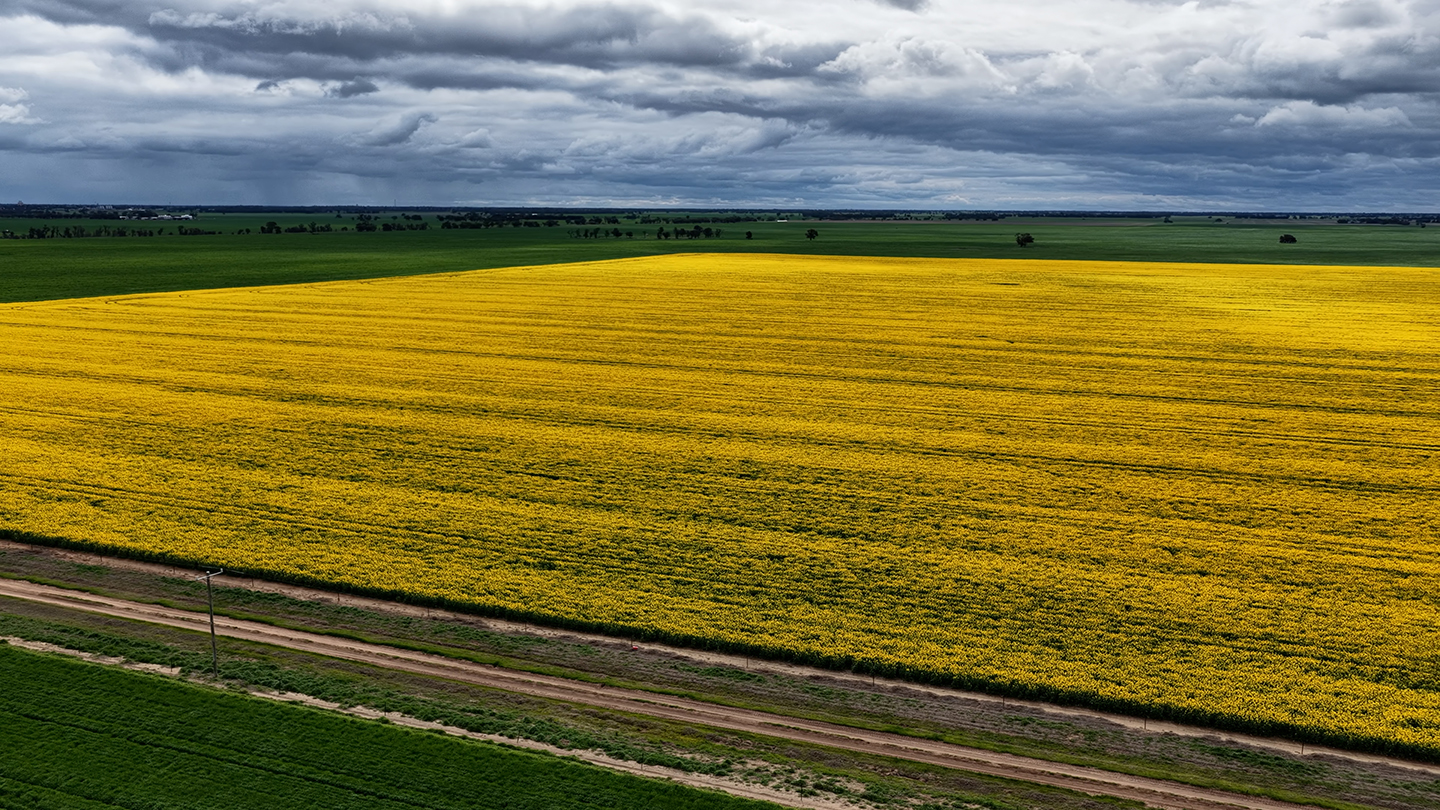
“Mallee grows immense volumes of canola, varieties like Caronata, of which the nation exports 70 per cent to Europe to turn into biofuels,” Dr Webster said.
“This is yet another way that Australia’s abundant resources are not being used for our own energy and fuel security.”
The Albanese Government has delayed action on biofuels for years with various consultations led by Transport Minister Catherine King failing to result a national biofuels or low carbon liquid fuel strategy ready to assist during a crisis such as the current Iran War.
Dr Webster said the Federal Government needs to put immediate action on biofuels on the agenda of the next National Cabinet meeting.
“Australia’s heavy reliance on imported refined fuels has been exposed by the blockade in the Strait of Hormuz, threatening significant supply disruption risks and tremendous vulnerability to our national economy should the situation not be resolved,” Dr Webster said.
“Last week I was shocked to learn that while Australia has tens of millions of litres in biofuels onshore like ethanol and biodiesel that could be blended with our unleaded and diesel respectively to stretch our fuel supply – the Albanese Government has shown no interest in those supplies.
“Alternative home-grown Australian biofuel blended fuel can help reduce our fuel security exposure, support national energy resilience, and reduce emissions.”
“If it is ‘ok’ to relax the prohibition on ‘dirty fuel’ as the Albanese Government did last week by permitting elevated Sulphur levels in fuels to return to pre-December 2025 levels, surely it makes sense to also increase Australia’s biofuels capacity.”
For more than 25 years biofuels have contributed to Australia’s fuel use in petrol and diesel cars, and the industry has benefited by the decision of two states (New South Wales and Queensland) to mandate the use of an ethanol component in fuel.
“Victoria, South and Western Australia could incentivise E10 blended ethanol in the petrol mix to immediately unlock extra supply to help address shortages being experienced in petrol stations in both our capital cities and regional areas,” Dr Webster said.
“Beyond the current fuel supply crisis, adding ethanol blended fuel to the supply chain in states not currently enforcing E10 mandates would not reduce Australia’s reliance on imported fuel to address the current fuel crisis, but would add to the amount of fuel sourced domestically, making a contribution towards greater local supply capacity.”
Australia’s two major ethanol producers, Manildra Group and Wilmar Sugar, are running at less than 50 per cent capacity. There are also smaller bio-diesel producers running beneath capacity.
“In a national fuel crisis caused by Australia’s reliance on overseas fossil fuel products, this is in itself a national scandal,” Dr Webster said.
“Longer term, extracting Australia’s own abundant sources of oil and petroleum makes the most sense, but Australian-based petroleum production is years away.”
“Conversely, an alternative domestic supply base already exists that meets Australian fuel standards and is a viable and scalable component of a diversified fuel strategy and a buffer against a supply shock.”
Ethanol-blended fuels such as E10 will help extend domestic fuel stocks and soften the effects of global shortages, reducing dependence on imported petroleum.
“Having more ethanol would also provide a strategic buffer.”
BACKGROUND:
The US has a 10 per cent ethanol blend in every drop of gasoline sold, including regular and premium grades, and the United Kingdom has had standard 95 octane petrol since 2021.
Australian peak body Canegrowers called for a 10 per cent ethanol mandate on 11 March.
Estimates indicates adding ethanol mandates alone could stretch Australia’s number of days’ secure supply right now by around 10 per cent.
On 23 March motoring advocacy body NRMA encouraged drivers to start filling up with E10 fuel to extend fuel reserves by about 10 per cent.
Earlier in March BioDiesel urged the Commonwealth Government to provide $500 million in funding towards a 50-cent per litre subsidy for biodiesel, which could boost production to 1 billion litres.
Australia has a proven track record of established biofuel producers, including the country’s largest producer, Manildra Group, in regional NSW produces 300 million litres of ethanol using wheat waste starch (a by-product of flour, starch and gluten production), and Wilmar Sugar, which produces 60 million litres of ethanol from molasses, a bioproduct of sugar production at its Sarina distillery in Queensland.