
AIHW Report Confirms Cracks in Australia’s Health and Age Care System - Joint Media Release with Senator Anne Ruston

JOINT MEDIA RELEASE
Senator Anne Ruston
Shadow Minister for Health and Aged Care
Senator for South Australia
Dr Anne Webster MP
Shadow Minister for Regional Health
Shadow Minister for Regional Communications
Federal Member for Mallee
AIHW Report Confirms Cracks in Australia’s Health and Age Care System
Thursday, 9 July 2026
New AIHW data confirms the reality that Australians are being forced to live with a health and aged care system under mounting strain as access to essential care is diminished.
Among the most concerning statistics revealed in the AHIW’s Australia's Health 2026 report:
• The number of older Australians stuck in hospital awaiting aged care has doubled in a decade — 14,700 to 29,600 separations a year, with numbers surging since 2022.
• GP care is increasingly unaffordable, with 1 in 13 Australians now avoiding a GP due to cost, more than double the 2021–22 rate.
• The stark differences in the health of people living in the regions when compared to cities. Regional, rural and remote Australians have higher rates of chronic conditions and poor access to basic care that is routine in cities, resulting in more deaths and earlier deaths than in major cities.
Bed block gets worse with no Federal accountability
Shadow Minister for Health and Aged Care Anne Ruston said the increase in discharge delays was another example of an aged care system in crisis.
"For over a year the Albanese Government has hidden behind the excuse that it's waiting on states and territories to agree on a definition of a 'stranded patient’,” Senator Ruston said.
“But that excuse doesn't wash. We now know the Federal Health Department is fully aware of who is stuck in hospital when they carry out aged care assessments, yet nothing happens with that information from that point on.
"This isn't a data problem, it's a priorities problem. Labor knows exactly how many older Australians in hospital need access to aged care, yet they are choosing not to fix it.”
Latest figures show there were more than 200,000 older Australians either waiting for an aged care assessment or for funding for a home care package while residential aged care was running at capacity.
“Labor promised to put the care in aged care but all they’ve done is short-change older Australians and put the wait in wait list,” Senator Ruston said.
GPs increasingly unaffordable, despite Labor's Medicare card promise
AIHW figures confirm cost is now a major barrier to seeing a GP with 1 in 13 Australians (7.7 per cent) delaying or avoiding seeing a GP specifically because of cost in 2024–25, up from 3.5 per cent in 2021–22.
“Anthony Albanese promised all you would need to see a doctor was your Medicare card but the truth is out-of-pocket costs have risen to the highest level on record at over $53 and they continue to go up,” Senator Ruston said.
Regional and remote Australians paying with their lives
This report highlights what has long been known – regional, rural and remote Australians are not getting fair treatment when it comes to healthcare. Death rates in very remote areas are 1.6 times higher than in major cities.
While dementia is now the leading cause of death in major cities, coronary heart disease remains the biggest killer in outer regional, remote and very remote areas.
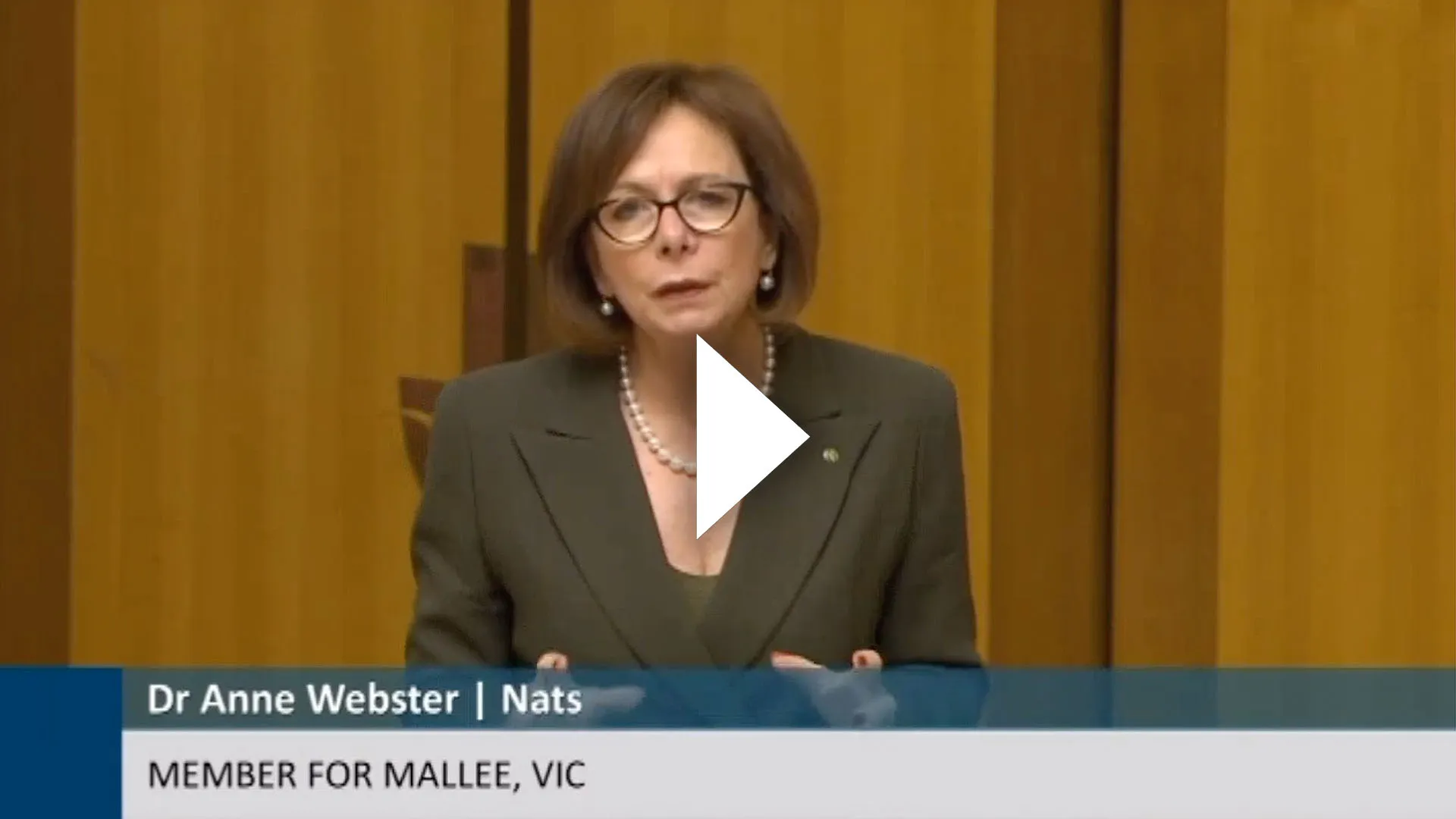
Shadow Minister for Regional Health Anne Webster said the AIHW links these outcomes directly to longer travel distances and limited-service availability.
“It’s no mystery why coronary heart disease, which is a largely preventable condition when people have regular access to primary care, remains our biggest killer in regional Australia,” Dr Webster said.
“Australians living in regional and remote communities continue to face higher mortality, greater chronic disease burden, reduced access to healthcare and workforce shortages that would be unacceptable in metropolitan Australia. The AIHW's evidence shows that closing the health gap between city and country must remain a national priority if all Australians are to enjoy equal opportunities for health and wellbeing.”