
Women’s Health Care Must Be Measured by Access, Not Geography
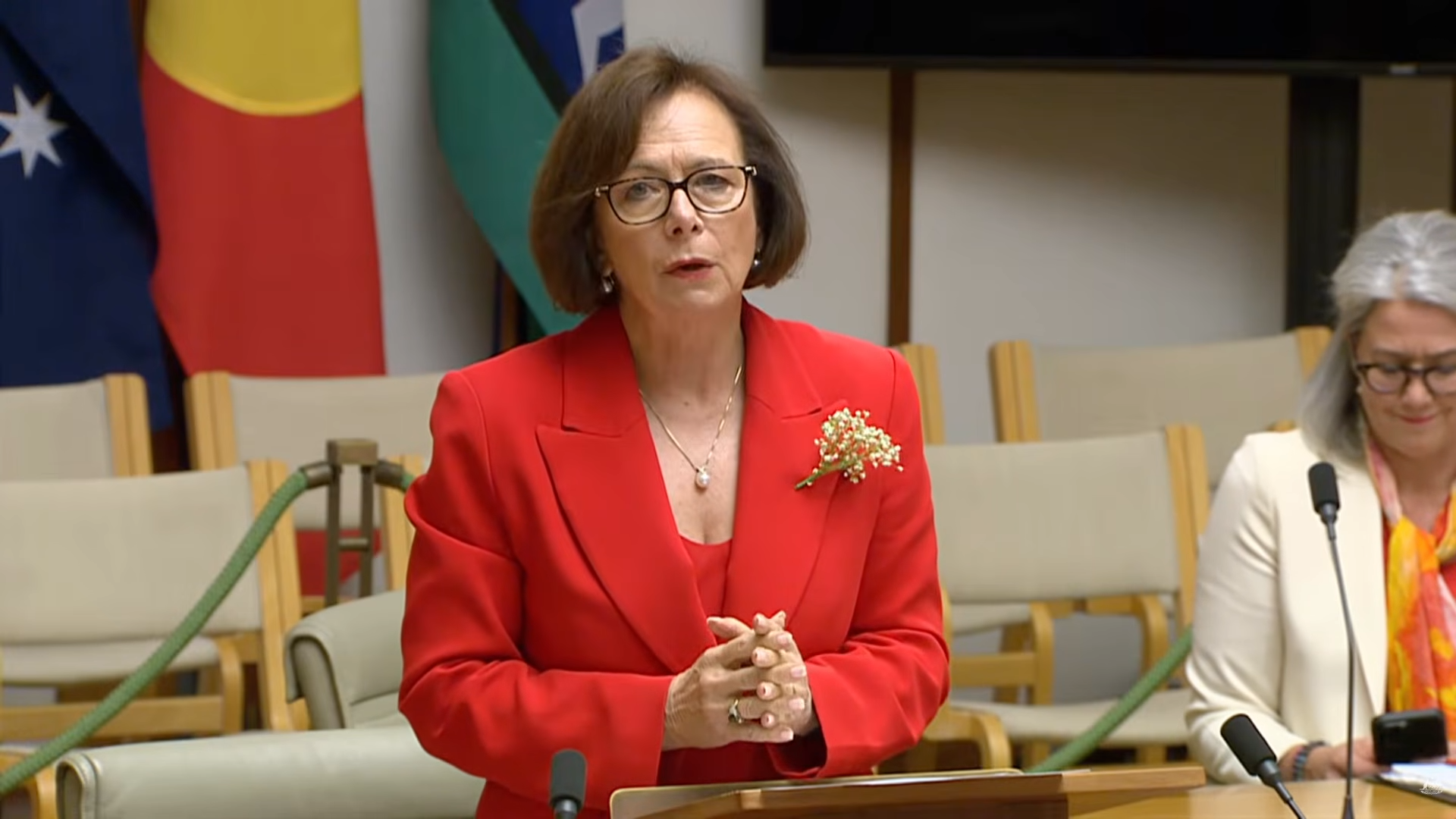
Dr WEBSTER (Mallee) (11:53): Women deserve to have their pain taken seriously. I welcome this opportunity to again discuss the health of Australian women and girls. In May, I stood in this chamber to discuss endometriosis and pelvic pain. I said then that too many women suffer, often silently. I also welcomed the government's continuation of important work begun under the former coalition government. Australia's first national action plan for endometriosis was established by the coalition in 2018. It recognised the need for awareness, research, earlier diagnosis and multidisciplinary care, including better accessibility for regional and rural Australians.
Then in March 2022 the coalition government further committed a record $58 million under that action plan, including $16.4 million to establish specialised endometriosis and pelvic pain clinics across every state and territory. The Albanese government subsequently increased that originally proposed network, and, today, there are 33 clinics. I welcome that expansion, but a clinic on a map does not equal access. The government now quite correctly says all 31 primary health networks have at least one clinic. Consider what that means in my electorate. For women in Mildura within the enormous Murray PHN, their clinic is in Bendigo, which is 400km away.
In May, I told this chamber about my constituent, Teila from Merbein, who had travelled to Melbourne seeking the specialist gynaecological care she could not obtain close to home. Following the disturbing allegations concerning the treatment she received, Teila's message to me was simple: she wanted local doctors appropriately trained, and she wanted to keep her care local. There could hardly be a more powerful demonstration that availability and accessibility are not the same thing. This problem goes well beyond Mallee. Look across Australia. For the entire Northern Territory PHN, the listed clinic is in Darwin; western Queensland's clinic is in Blackall; county Western Australia's clinic is in Albany; and western New South Wales has a clinic in Orange.
I acknowledge the government has expanded these clinics to provide menopause and perimenopause care as well. That is positive. However, expanding the services that a clinic offers hundreds of kilometres away does not make that clinic more accessible to the women and girls nowhere near it. We need to measure isolation, not lines on a map. This points to a much broader problem in regional health policy. The current Modified Monash Model does not recognise actual isolation and access. Where is the nearest service? Is the specialist workforce actually available? How long does it take the patient to travel to a clinic? What public transport is available? Is primary care available to follow up closer to home? These questions matter for endometriosis and pelvic pain, they matter for menopause and perimenopause and they matter for fertility treatment and women's health throughout life.
I welcome the progress for women's and girls health. The coalition began Australia's national endometriosis strategy. This government has continued and expanded it, which is excellent. But our job is not finished when every PHN has a dot on a map; our job is finished when a woman or girl in Mildura, Swan Hill, Kerang, Maryborough, the outback or remote Australia has a genuine pathway to timely, affordable and high quality care. A woman's or girl's postcode must never determine whether her pain is treated or whether the treatment she needs is genuinely within reach. We must do better.