
Truth laid bare – Telstra coverage far smaller than previously claimed - Joint Media Release with Shadow Minister Senator Sarah Henderson

JOINT MEDIA RELEASE
Senator Sarah Henderson
Shadow Minister for Communications and Digital Safety
Senator for Victoria
Dr Anne Webster MP
Shadow Minister for Regional Health
Shadow Minister for Regional Communications
Federal Member for Mallee
Friday 3 July 2026
JOINT MEDIA STATEMENT
Truth laid bare – Telstra coverage far smaller than previously claimed
Regional Australians are finally seeing a clearer picture of mobile coverage, and it confirms what many have known for years: mobile coverage maps and real-world experience do not always match.
The Coalition welcomes a new national mobile coverage mapping standard in force from 1 July, which requires all telcos to publish clear, comparable 4G and 5G coverage maps based on real service levels.
Shadow Minister for Communications and Digital Safety, Senator Sarah Henderson, said for the first time Australians can better distinguish between where a phone might show a signal and where it can reliably make a call, send a message or access data.
“Under the definition of ‘usable coverage’, Telstra’s footprint reduces by as much as 860,000 square kilometres, roughly the size of New South Wales. Australians deserve nothing less than accurate information about mobile coverage,” Senator Henderson said.
“However, the Coalition is concerned the mapping might still be imperfect, as academic analysis suggests it relies on predictive modelling, not actual data. For the health, safety and economic security of all Australians, the Albanese government must ensure Australians have the best possible information about mobile phone blackspots."
The Coalition, however, continues to condemn Labor for its savage Budget cuts to regional communications programs which shows it could not care less about the needs of regional Australians.
"Labor's savage Budget cuts to regional connectivity funding are a real kick in the guts for Australians who deserve mobile connectivity, no matter where they live or work," Senator Henderson said.
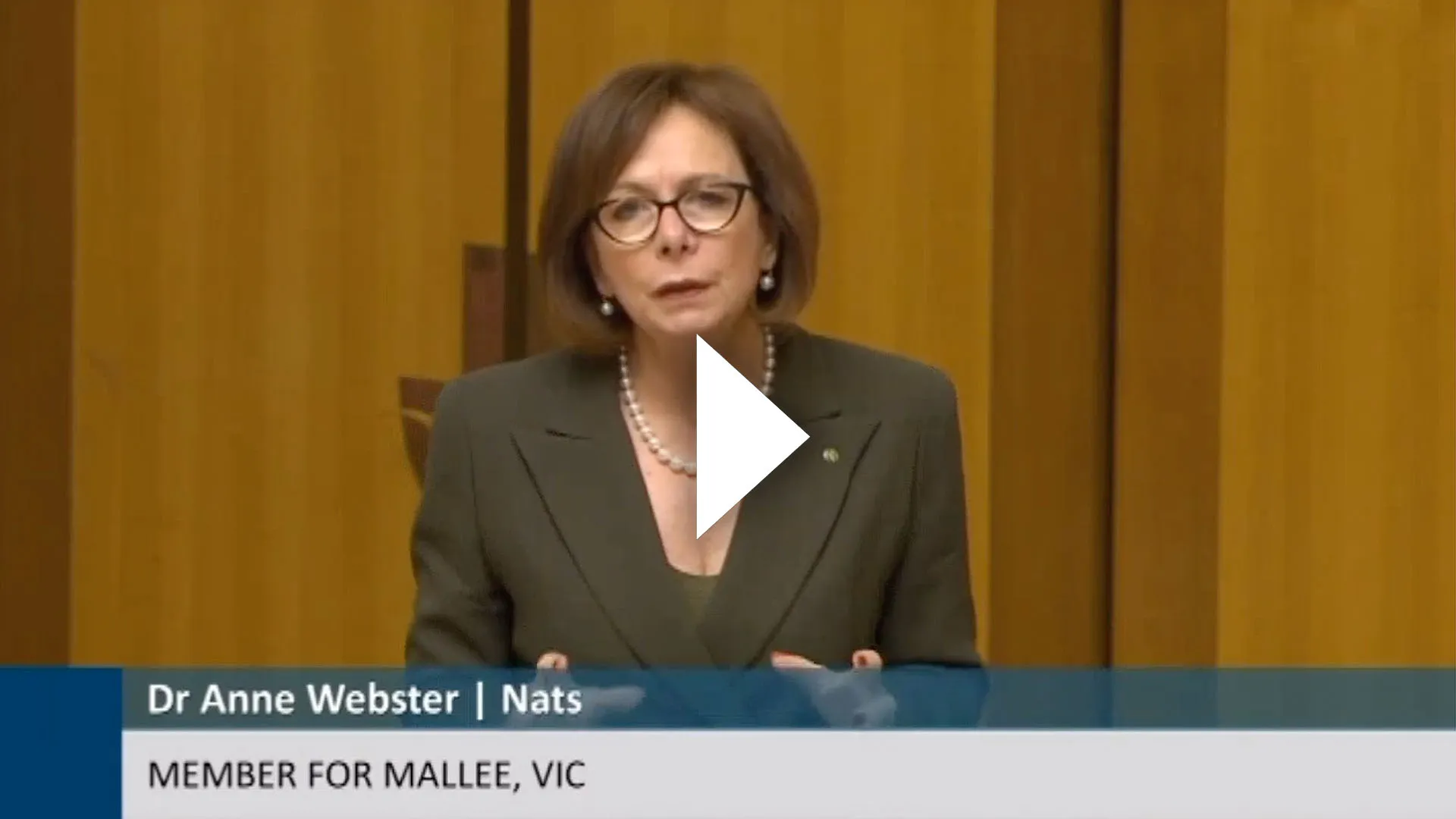
Shadow Minister for Regional Communications Dr Anne Webster said the mapping validates the lived experience of regional communities and further highlights the need for an updated Universal Service Obligation for mobile coverage, as the ‘USO’ presently only applies to landlines and payphones.
“For years, regional Australians have been told they have coverage, only to find their phone does not work when they need it most. Regional Australians need reliable connectivity for safety, business, health, and emergency services,” Dr Webster said.
The new standard follows years of dispute over coverage claims in the telecommunications sector, including scrutiny of Telstra’s published coverage figures and the way coverage has been defined and presented to consumers.
Dr Webster said mapping is just one step in an important journey to better connectivity for regional Australians.
“Remember - maps do not build towers. Maps do not restore service lost through the botched 3G shutdown. Maps do not help someone call Triple Zero in an emergency if the coverage is not there,” Dr Webster said.
“Regional Australians need investment, accountability and real solutions, not just a clearer picture of the problem.”