
Triple Zero Inquiry Highlights Need for Reliable Telecommunications
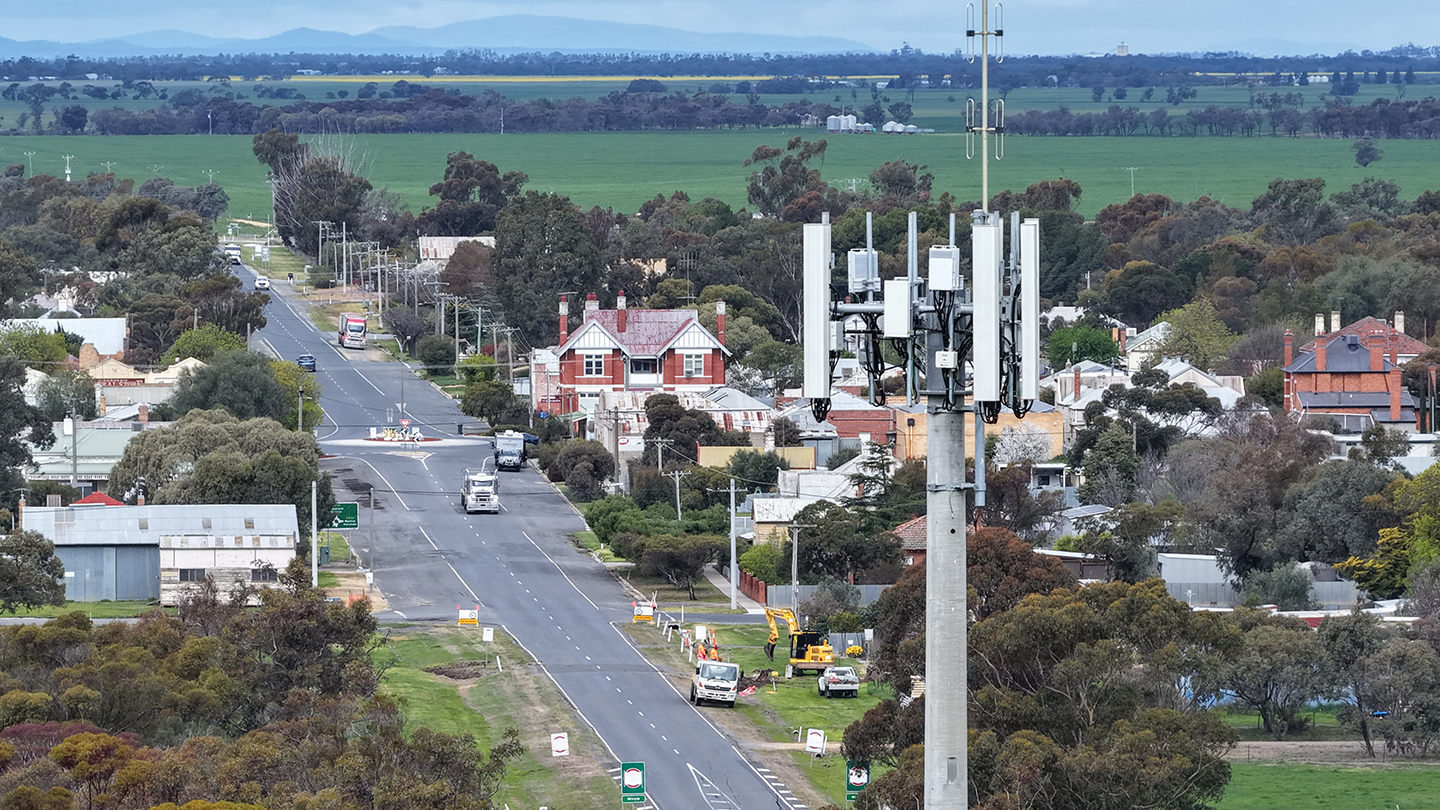
Last Friday I wrote about that day’s Telstra Triple Zero Senate Inquiry hearing which confirmed what regional Australians already knew: telecommunications is essential infrastructure, every bit as important as roads, rail, water and electricity.
As Shadow Minister for Regional Communications, I called for answers after Telstra's nationwide outage. Telstra CEO Vicki Brady admitted at Friday’s inquiry the outage may have been avoided if Telstra had completed a software update and properly documented system changes. The outage disrupted V-Line services, businesses, and dangerously limited access to Triple Zero.
The Coalition has long argued that the Albanese Labor government must take telecommunications stability far more seriously. The Coalition initiated the Senate's Triple Zero inquiry because Australians need certainty that they can always reach emergency services.
The Nationals also insisted, when we negotiated the Coalition agreement, on modernising the telecommunications Universal Service Obligation. Reliable communications are no longer just about making landline phone calls. Mobile telecommunications underpin emergency services, freight, agriculture, banking, health care and small business productivity. When connectivity fails, regional Australia pays the highest price.
Speaking of connectivity, I advise readers that the national AusAlert test is scheduled for 2pm local time on Monday 27 July. Compatible mobile phones will vibrate and emit a loud siren-like warning for about 10 seconds and you will get an on-screen message saying it is only a test. In Government, the Coalition initiated the 2020 Royal Commission into National Natural Disaster Arrangements that has led to AusAlert being rolled out.
I also remind readers that the national Census is on 11 August. You should receive a letter with instructions on completing the Census, and if you prefer a paper form, you will likely need to request one. Communities like Robinvale have worked especially hard to ensure their population is properly counted. Population data drives government funding decisions, infrastructure planning and service delivery.
Regional Australians contribute enormously to our nation's prosperity. Yet, too often under the Albanese and Allan Labor Governments, we are treated as an afterthought. Standing up to be counted in the Census and the ballot box ensures our voices are heard.