
Tri-State Regional Aged Care Forum
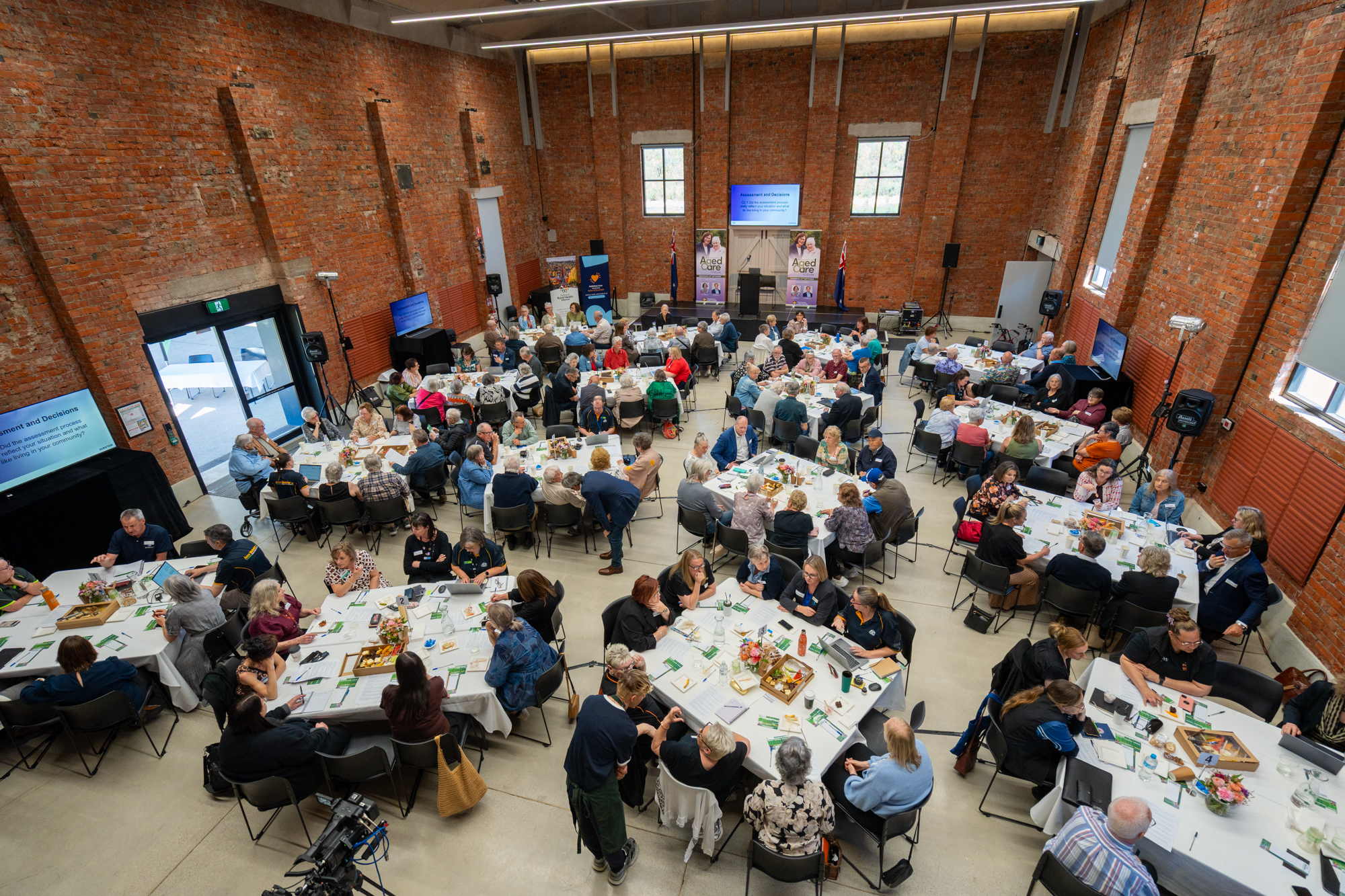
I organised Wednesday’s Tri-State Regional Aged Care Forum at the Powerhouse to bring together 150 carers, clients, providers and peak bodies from across Victoria, New South Wales and South Australia. What we heard was deeply concerning while - sadly - not surprising after Labor’s years of neglect of regional aged care.
The strongest message from the room was not that aged care itself is failing. It was that older Australians are struggling to access care in the first place. Across 16 tables, participants lamented a system that is too complex, too slow, too bureaucratic and too disconnected from regional Australia.
Many spoke about waiting months or even years for assessments, reassessments and services and some told of loved ones who had died while waiting for a response and care. They spoke about telephone assessments conducted by people thousands of kilometres away, with no understanding of local context. People were approved for services that simply do not exist locally, long waits for podiatry, physiotherapy and home maintenance, and older Australians being forced to navigate an overwhelming online system. The Royal Commission recommended a one door entry to care - this is a spectacular failure on Labor’s watch.
In July 2023, I hosted a Regional Aged Care Summit in Mildura bringing together providers and frontline workers from across regional Australia. That summit’s communique warned of excessive waits back then for home care approvals, called for more face-to-face support and navigation, Commonwealth Home Support Program funding for more services in regional communities, and a provider regional travel supplement. I sent the Communique to the Albanese Labor Government over 3 years ago – and, surprise surprise – all we heard was the sound of crickets.
People living in our tri-state region feel profound isolation and neglect. They feel aged care policy is designed for metropolitan Australia and imposed on our communities with little resemblance to Melbourne or Sydney. Participants rightly expect face-to-face assessments, local care navigators, and local solutions.
The tyranny of distance, workforce shortages and thin service markets requires a purpose-built approach that shows dignity and respect for older Australians.