
Stop selling productive Australian food land for foreign interests - Media Release
Tuesday 4 August 2026
The Coalition is calling on Treasurer Jim Chalmers and the Foreign Investment Review Board (FIRB) to reject the proposed foreign-backed acquisition of an iconic north-eastern Victorian farming station, as Member for Mallee Dr Anne Webster points to Labor’s poor record on foreign ownership of Mallee farmland.
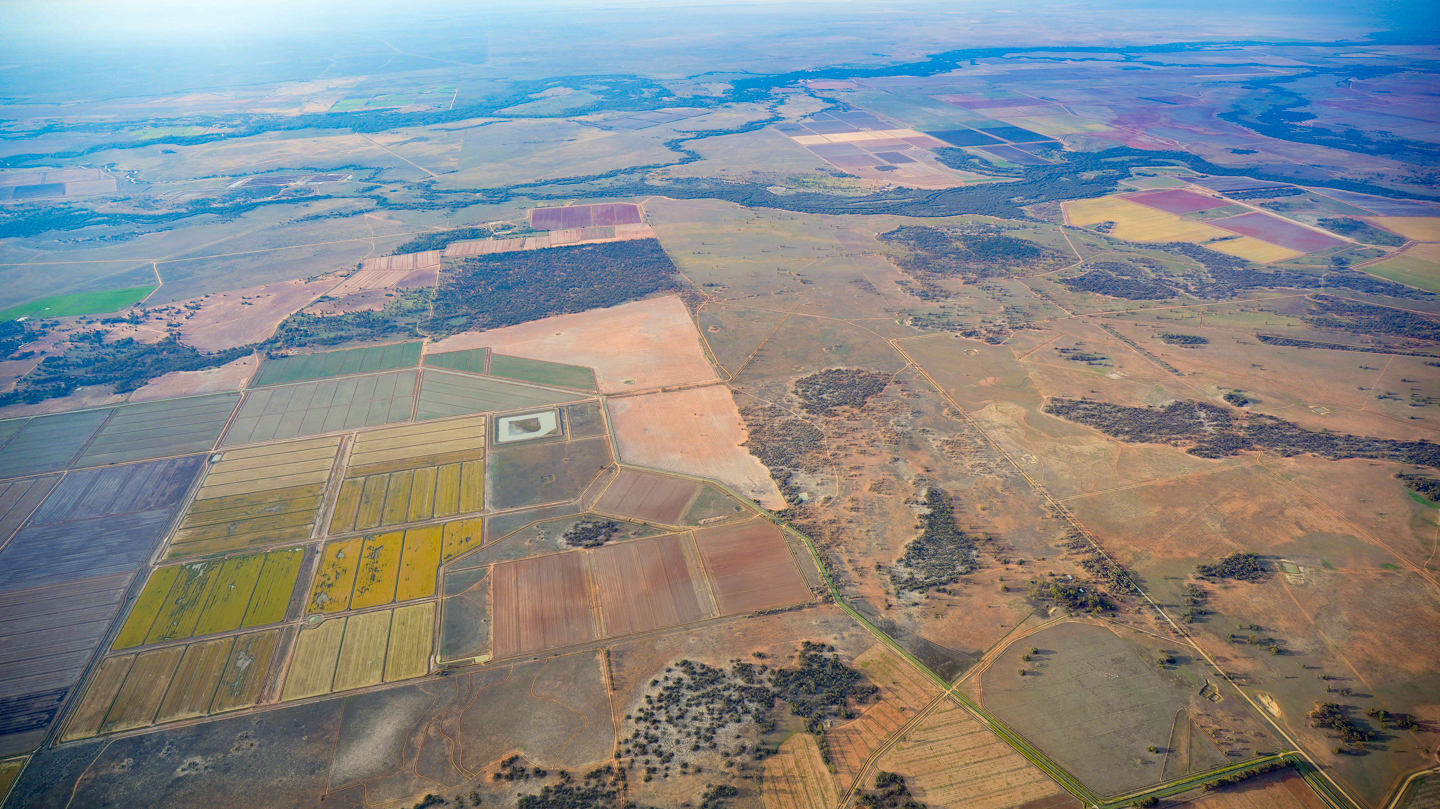
“Federal Labor showed it could not be trusted to protect Australia’s productive farmland in 2012, when it allowed Qatar’s sovereign wealth fund to buy Telopea Downs, an over 47,000 hectare farm in Mallee’s border region north of Kaniva. Under a Coalition Government, Telopea Downs came back into Australian hands – but it’s on the market again, and foreign-backed carbon enterprises are lurking, as we see in Victoria’s north-east,” Dr Webster said.
Dr Webster pointed to the proposed sale of Cobungra Station in Victoria’s north-east to carbon investment manager Silva Capital, which remains subject to FIRB approval, and Labor’s approval of the foreign takeover of Tasmania's Rushy Lagoon to become a carbon project.
"Labor’s track record is to put productive agriculture last, and now they are putting their zero agenda ahead of Australia's food security, regional communities and agricultural production through subsidy-backed wind and solar projects, and destructive transmission lines in Mallee,” Dr Webster said.
"Australians deserve to know whether the Government will once again wave through the loss of productive farmland at Cobungra Station, just like they have waved hundreds of gigalitres of water down the river to mothball productive irrigation farming.
"We cannot replace food production with carbon credits. Australia's productive farmland and irrigation water feeds Australians, supports regional jobs and strengthens our national food security."
Dr Webster said the FIRB national interest test must treat food security as a strategic priority, which Labor failed to do in 2012 allowing Qatar – a geographically tiny nation by comparison - to bolster its food security at Telopea Downs.
"Labor's latest disdain for farming is to create a perverse incentive where foreign-backed carbon investors can outbid Australian farmers for productive land," Dr Webster said.
"The Coalition believes Australia's foreign investment laws should protect productive farmland, not facilitate its conversion into carbon assets."
The Coalition will also reinstate the Ministerial Veto power so the Minister for Agriculture can veto any project that will lock up prime agricultural land for carbon credits if it will have a significant impact on water, agricultural production and regional communities.
In government, the Coalition tightened the FIRB screening threshold from around $250 million to a cumulative $15 million, established the Register of Foreign Ownership of Agricultural Land, and required open and transparent sale processes.
Dr Webster also produced the Prime Agricultural Land Protection Bill, tabled in both Houses of Parliament, to ensure no federal funding supports diminishing the productivity of Australia’s prime agricultural land.